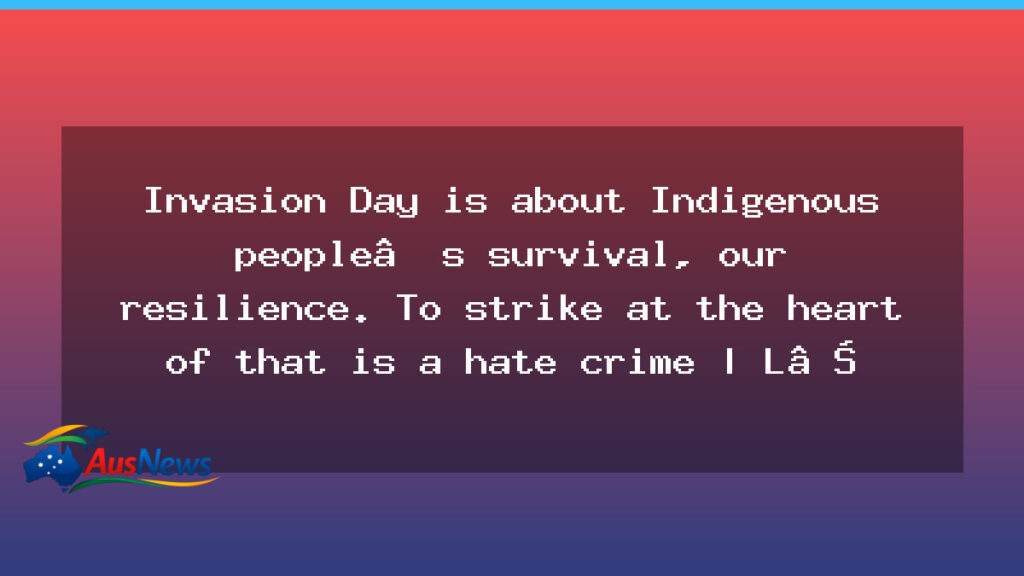
Invasion Day remains a flashpoint for national conversation about Indigenous survival, dignity, and resilience as communities confront not only history but ongoing acts of racism in public life. From the streets of Boorloo Perth to vigils across the nation, First Nations Australians are asking for action that goes beyond words and gestures.
On 26 January, a violent incident occurred during a gathering described as peaceful by those in attendance. Police have described the device involved as something designed to cause harm; the device did not detonate, according to early assessments. Investigations are ongoing, and details about the suspect or motive have not been publicly disclosed.
Observers say the episode underlines the precariousness many Indigenous people face at public gatherings and in daily life, even on a day of mourning and remembrance. The broader conversation is about safety, accountability, and the need for systemic change to reduce racist violence and ensure communities can participate in national life without fear. Activists and community leaders emphasise resilience built through solidarity, legal protections, and accountable governance that listens to First Nations voices.
Context and response
Across the country, the debate around Invasion Day has moved from symbolic debates to practical measures aimed at improving safety, funding community-led programs, and strengthening protections for Indigenous people. Advocates argue that progress depends on real policy commitments, transparent oversight, and genuine partnership between governments and Indigenous communities.
What we know
- Authorities confirm an incident during a Day of Mourning gathering in Boorloo Perth involving a device intended to harm.
- The crowd included a cross-section of attendees, from elders to children, gathered peacefully that day.
- The device reportedly failed to detonate; investigators say the outcome could have been far worse.
- Investigations are underway; details such as motive, identity of the person involved, and whether the act constitutes a hate crime are not yet clear.
- There is growing emphasis from community leaders on addressing ongoing racist violence as part of public safety and reconciliation efforts.
What we don’t know
- The exact motive behind the incident and whether it will be charged as a hate crime remains uncertain.
- The full extent of harm or potential injuries from the device has not been publicly confirmed.
- The identity of the person involved and their connections to broader movements have not been made public.
- What specific measures governments will announce to better protect public gatherings is still to be clarified.
- How communities will be supported in the immediate aftermath and long term remains to be seen.